Expert Mold Remediation Solutions: Protect Your Wellbeing and Home
Mold can make its way into homes without awareness, placing serious health risks and weakening structural integrity. Many homeowners fail to see the criticality of professional mold remediation services. These authorities not only identify concealed mold but also implement effective strategies to eliminate it. Comprehending the evidence of mold activity and the grave consequences is vital for sustaining a safe living environment. Researching the details of mold remediation could disclose critical insights for safeguarding one's home and health.
Signs You Require Expert Mold Services
How can one know if mold has become a severe problem in their home? Signs often include visible mold growth on walls, ceilings, or other surfaces. A musty odor may spread through the air, indicating hidden mold behind walls or under flooring. Frequent water leaks or high humidity levels can also indicate potential mold problems. Homeowners should be alert for symptoms such as persistent allergies or respiratory issues among family members, which may indicate mold exposure. Additionally, dark spots or discoloration in areas prone to moisture, like bathrooms or basements, require immediate attention. If mold is extensive or covers more than ten square feet, it is advisable to seek explore now professional mold remediation services. Ignoring these signs can lead to more significant issues, making early detection essential for maintaining a safe living environment. Timely intervention can prevent further contamination and protect the home from potential damage.
Health Concerns and Structural Compromise Triggered by Mold
Mold carries significant health hazards, especially for individuals with respiratory conditions or weakened immunity. Apart from health concerns, mold can significantly damage the structural soundness of buildings, necessitating costly restoration. Understanding these consequences is critical for successful mold removal.
Health Impact of Mold
When mold enters a home, it can produce major health repercussions and cause foundation damage. Mold spores, when breathed, can trigger allergies, respiratory difficulties, and aggravate asthma symptoms. Individuals with weakened immune systems or existing health conditions are notably vulnerable, experiencing symptoms such as headaches, fatigue, and skin irritation. Long-term exposure may cause more severe health complications, including chronic respiratory diseases. Furthermore, mold can emit mycotoxins, which have been linked to neurological and other systemic effects. It is vital for homeowners to spot these risks and handle mold problems promptly, ensuring a more protected living environment for all occupants. Ignoring mold issues can bring about a decrease in overall wellness and quality of life.
Structural Soundness Problem
Unchecked mold growth can severely compromise a home's foundation strength. Mold thrives in moist environments, breaking down natural substances such as wood, drywall, and insulation. Over time, this decay can lead to damaged beams, sagging ceilings, and compromised walls, posing significant safety risks. The presence of mold often signals moisture issues, which, if unaddressed, may result in further structural damage. Homeowners may face costly repairs and renovations if the situation escalates. Additionally, mold can release spores into the air, exacerbating health problems for occupants. Engaging professional mold remediation services is crucial not only for restoring a safe living environment but also for preserving the building's stability of the property, ensuring long-term protection against future mold infestations.

What Methods Will Mold Remediation Experts Utilize?
Mold restoration experts execute a methodical approach to effectively manage mold concerns. Initially, they conduct a thorough assessment to pinpoint the extent of the problem, then implementing containment and extraction methods. In conclusion, post-remediation testing measures confirm that the area is safe and clear of mold spores.
Initial Assessment Procedure
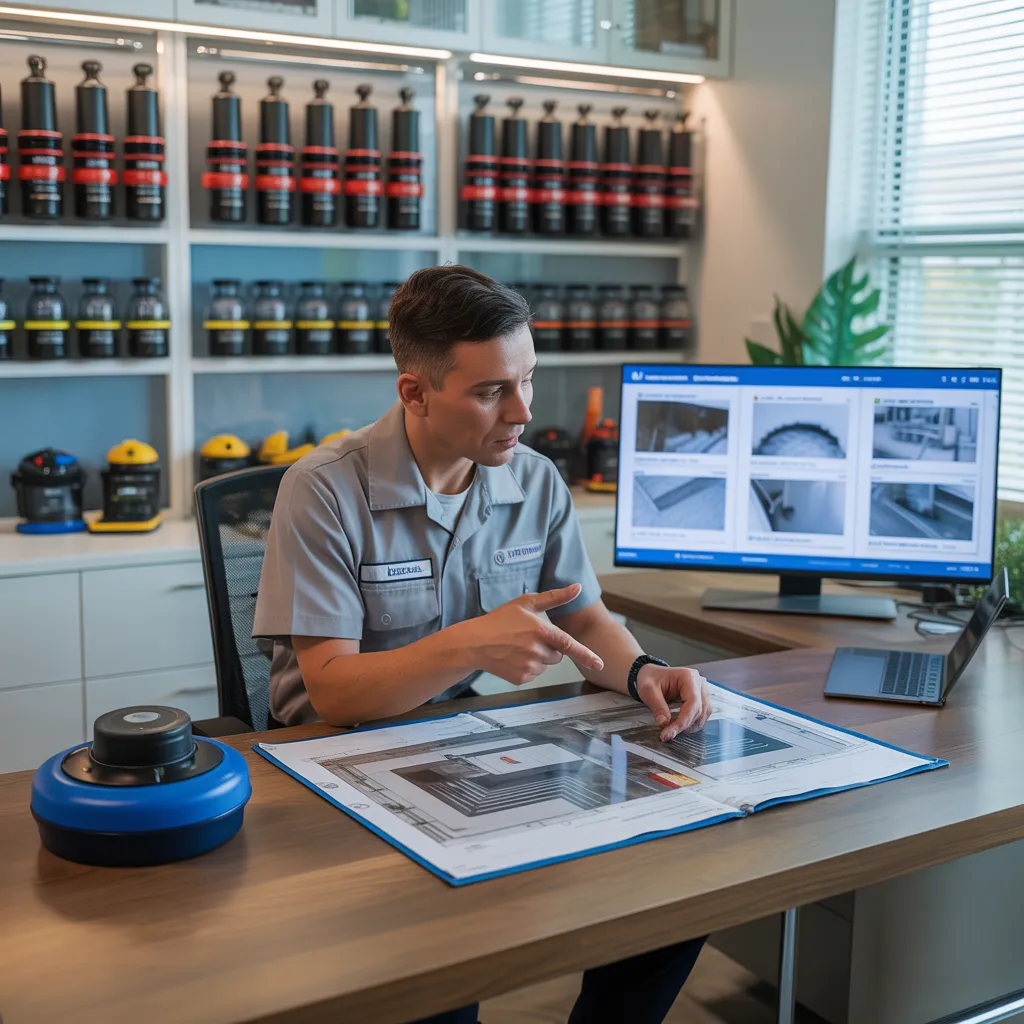
Specialists in mold cleanup commence the process with a thorough initial assessment to identify the extent and source of the problem. During this stage, they carry out visual inspections, looking for indicators of mold growth, water damage, and moisture sources. Employing specialized instruments, such as moisture meters and thermal imaging cameras, they inspect hidden spots vulnerable to mold infestations. The assessment also incorporates air quality testing to identify the presence of mold spores. Experts commonly consult with property owners to collect details about past water incidents or humidity issues. This comprehensive evaluation lets them develop an effective remediation plan tailored to the specific conditions of the property, ensuring a precise approach to mold removal and prevention.
Containment and Removal Approaches
To efficiently address mold infestations, experts adopt comprehensive isolation strategies to prevent spores from spreading during the remediation process. This often requires containing contaminated zones with plastic sheeting and using negative air pressure machines to guarantee that air flows out rather than in. Once containment is established, remediation experts employ targeted approaches for contamination elimination, such as HEPA vacuuming and damp wiping surfaces with antimicrobial solutions. In some cases, absorbent items that cannot be effectively cleaned, such as drywall or carpeting, may need to be removed and discarded. Throughout the process, professionals wear personal protective equipment (PPE) to protect their wellbeing while assuring that the space is protected for all occupants in the vicinity.
Post-Restoration Verification Steps
Guaranteeing successful mold remediation entails a series of vital post-remediation verification steps. After the removal process, mold remediation specialists undertake meticulous inspections to determine the impact of their work. This includes direct assessments and moisture level tests in affected areas. Air quality analysis is also performed to identify any persistent mold spores, ensuring that air quality has returned to safe levels. Experts may apply specialized equipment, such as thermal imaging cameras, to find hidden condensation. Once all testing is finished, they prepare a extensive report presenting findings and any vital follow-up actions. This confirmation process not only validates the success of remediation efforts but also delivers homeowners with peace of mind in relation to their indoor environment's safety and wellness.
Reasons to Hire Mold Professionals
When confronted with a mold infestation, employing experts can considerably alleviate health hazards and property damage. Mold professionals have the knowledge required to identify the source of the infestation and assess its extent. Their training allows them to use advanced techniques and equipment that are often inaccessible to the average homeowner, ensuring effective removal and avoidance of recurrence.
In addition, experienced contractors supply a systematic approach to mold remediation, which includes thorough assessments, control strategies, and responsible removal of affected materials. This reduces the potential of spores spreading to unaffected areas. Moreover, skilled professionals copyright professional standards and guidelines, ensuring confidence that remediation efforts are implemented securely and productively.
Understanding What Occurs During the Mold Remediation Process
During the mold remediation procedure, homeowners can expect a thorough and methodical method to tackling the issue. At first, experts perform a detailed assessment to determine the extent of the mold contamination and any hidden water damage issues. This assessment guides the remediation plan customized to the specific situation.
Next, the space is contained to prevent mold spores from dispersing, often using plastic sheeting and negative air pressure systems. Following containment, technicians safely extract contaminated materials, such as drywall or insulation, and employ specialized cleaning solutions to sanitize surfaces.
Air quality testing may also be conducted to confirm that mold spores are successfully eliminated. Once remediation is finished, professionals may recommend repairs and restoration to return the space to its original condition. Homeowners should anticipate clear communication throughout the process, ensuring they understand each step taken to protect their health and restore their home.
Recommendations for Stopping Future Fungal Buildup
After completing the mold remediation process, homeowners can take preventive measures to prevent future mold growth. First, keeping low indoor humidity levels is critical; using dehumidifiers in damp areas helps prevent moisture at bay. Regularly inspecting and repairing any leaks in roofs, plumbing, or walls will also minimize water accumulation, a key factor in mold development.
Additionally, residents should guarantee sufficient air exchange in attics, basements, and bathrooms. Unclosing windows and employing exhaust fans can effectively curb moisture. It is wise to clean and maintain gutters repeatedly to prevent water overflow.
Additionally, opting for moisture-resistant options for drywall and paint can supply an additional layer of safety. Finally, property owners should explore conducting periodic mold inspections, as quick identification is vital for successful management. Through implementing these strategies, individuals can build a healthier home atmosphere and considerably reduce the risk of mold return.
Commonly Posed Questions
How Much Do Expert Mold Removal Solutions Usually?
Mold remediation services offered by professionals usually range between $500 to $6,000, influenced by the severity of the contamination, the dimensions of the affected area, and the particular approaches utilized by the remediation company.
Will My Insurance Cover Mold Treatment Expenses?
Protection for mold remediation under insurance differs significantly depending on the policy. Some homeowners' insurance plans might cover expenses related to mold if the damage was caused by a covered peril, whereas others exclude mold completely. Reviewing your specific policy is critical.
What duration Should You anticipate for mold removal?
Mold removal commonly requires one through five days, reliant upon the level of mold contamination and the scope of the contaminated area, along with the exact removal methods used.
Can I stay in My Home Throughout Remediation?
Living in the home during mold remediation is seldom recommended. Experts regularly propose exiting the premises to maintain safety, reduce spore inhalation, and support comprehensive treatment of the infected areas without disturbance.
What Certifications Should I Prioritize in Mold Remediation Professionals?
When seeking mold restoration professionals, one should locate credentials such as IICRC, NORMI, or ACAC. These credentials signal specialized training and compliance with industry standards for safe and effective mold removal practices.